


Subjective Mapping of the Philippines
Mapping memory, emotion, and sovereignty across sea and shoreline
4 Island Regions Mapped
75+ Artists, students, and fisherfolk engaged
100% Workshop Completion Rate
100+ Artworks, Symbols, and Emotional Flags Created
Project Panatag empowers local communities to reclaim space through creative mapping. By using arts-based methods, we highlight emotional and cultural connections to land, sea, and territory while addressing resilience, memory, and identity.
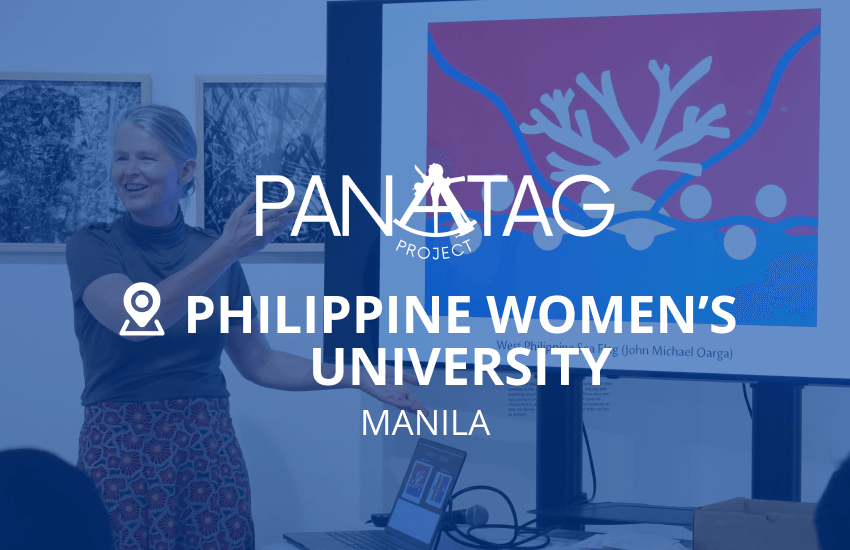
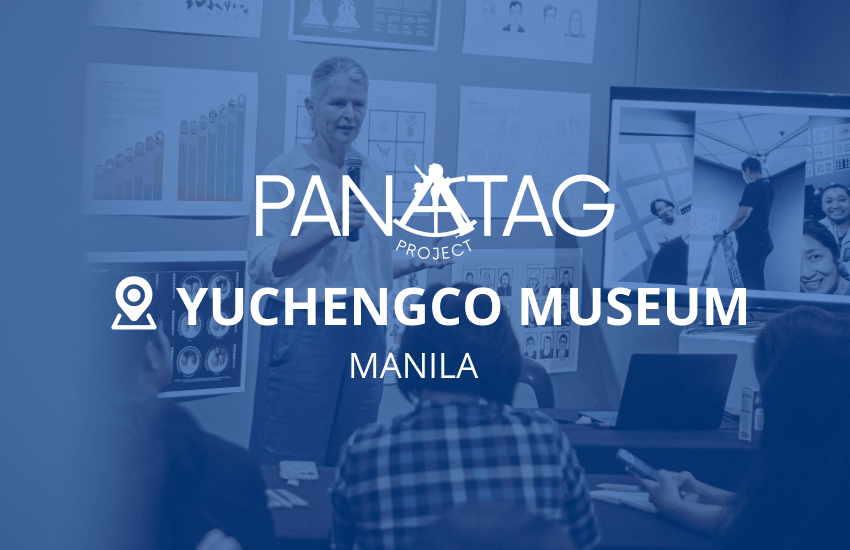
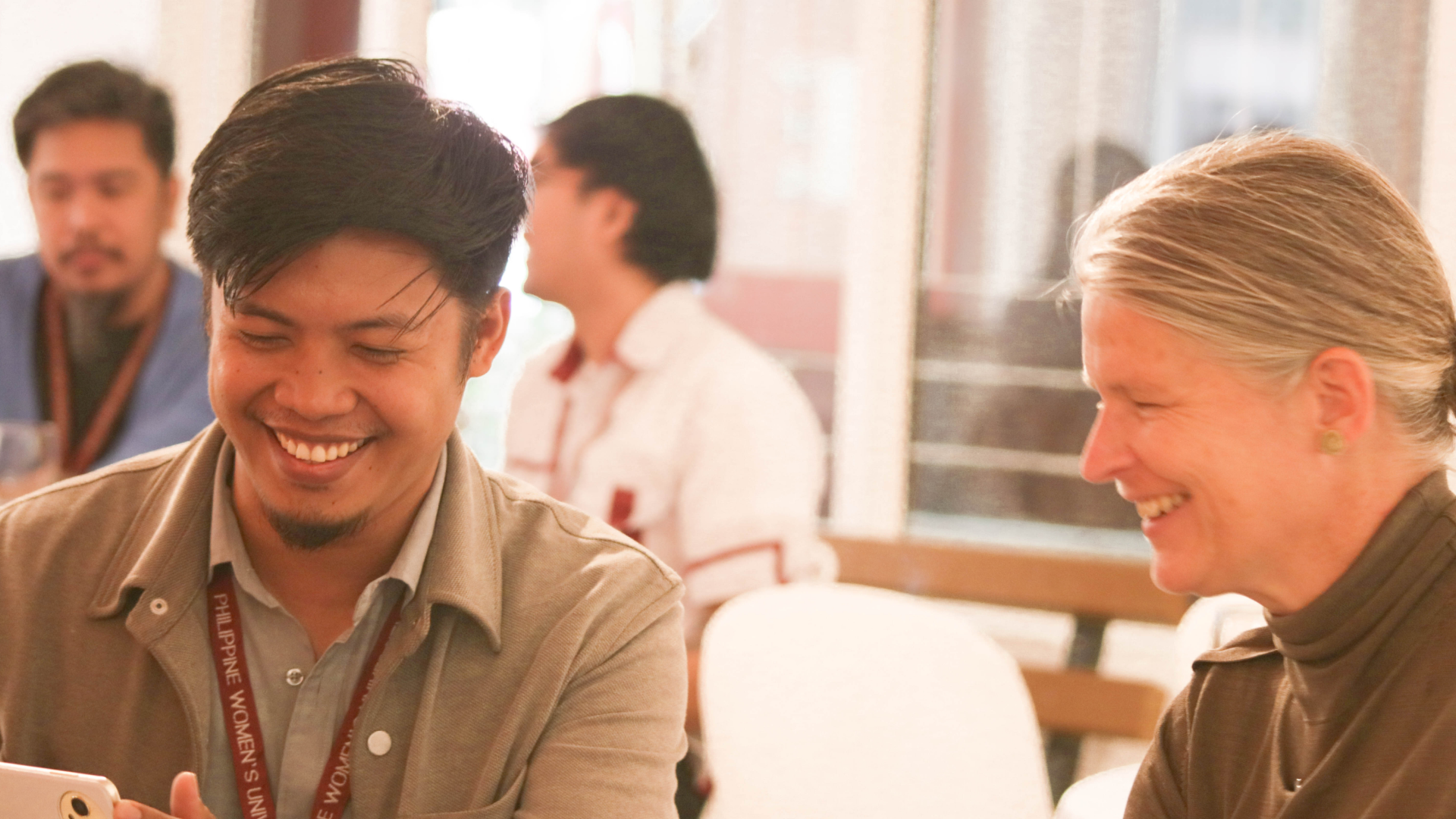
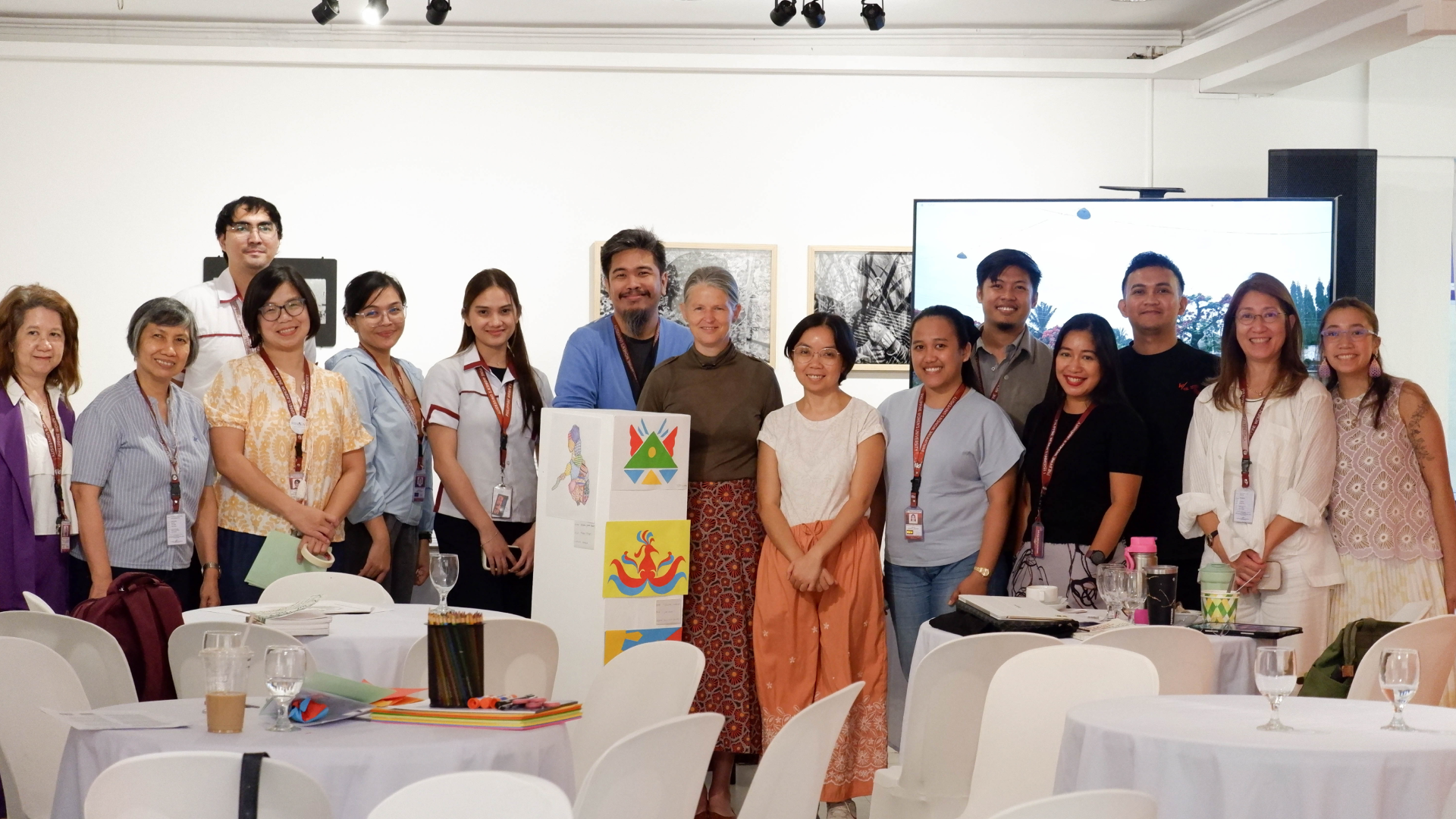
Standing long and strong in the middle of the city of Manila–one of the key locations for Metro Manila’s rich cultural heritage, PWU Manila welcomed its collaborators and co-organizers in launching Project PANATAG’s agenda in PWU-ARC’s home base. As an institution that champions its Filipino artistry and academic excellence, PWU secured its commitment to intersecting the arts and research as powerful tools for reflection.
Similar to the previous workshops from past locations, participants together with the organizers engaged in arts-based interventions and activities, marking their individual narratives and shared experiences combined into a single collective identity represented through the joint explorations of personal memories and creative expression to their respective territories. A true reflection of the university’s dedication to nurturing socially engaged art and academic inquiry, this project has ensured the consistency of their shared mission and visions as institutions shaping a future that encourages artistic pursuits as forces of resistance and change.
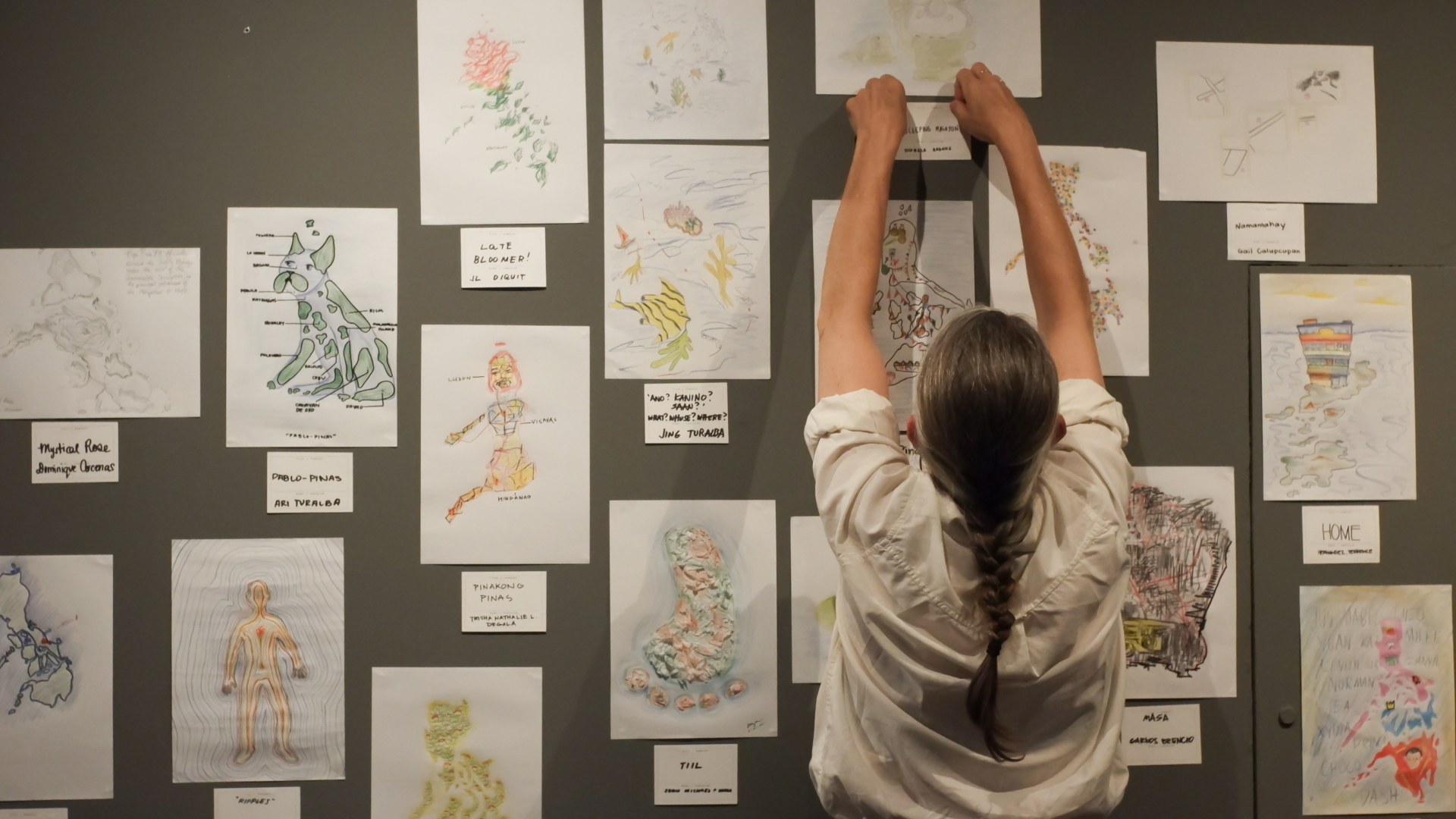
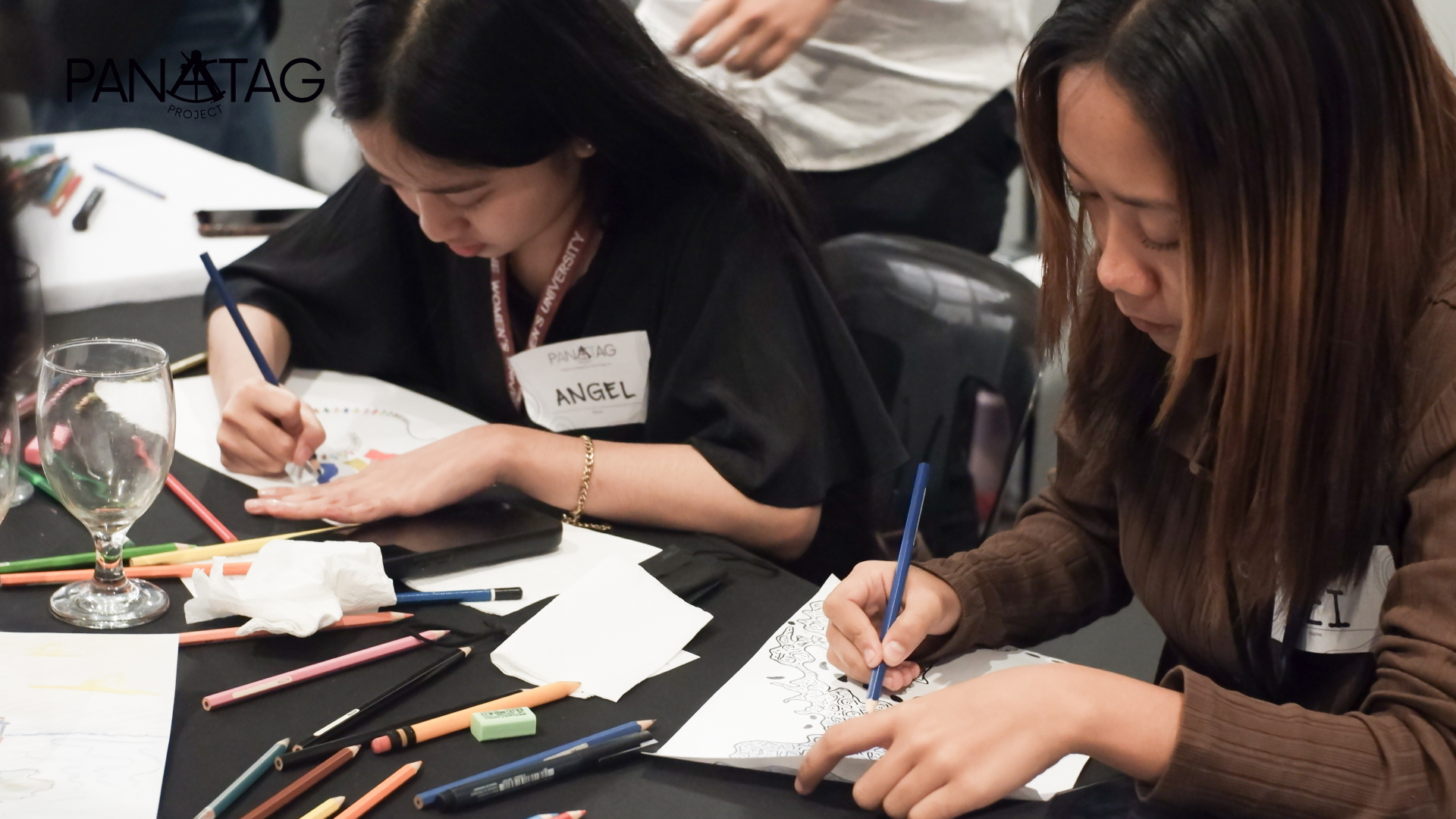
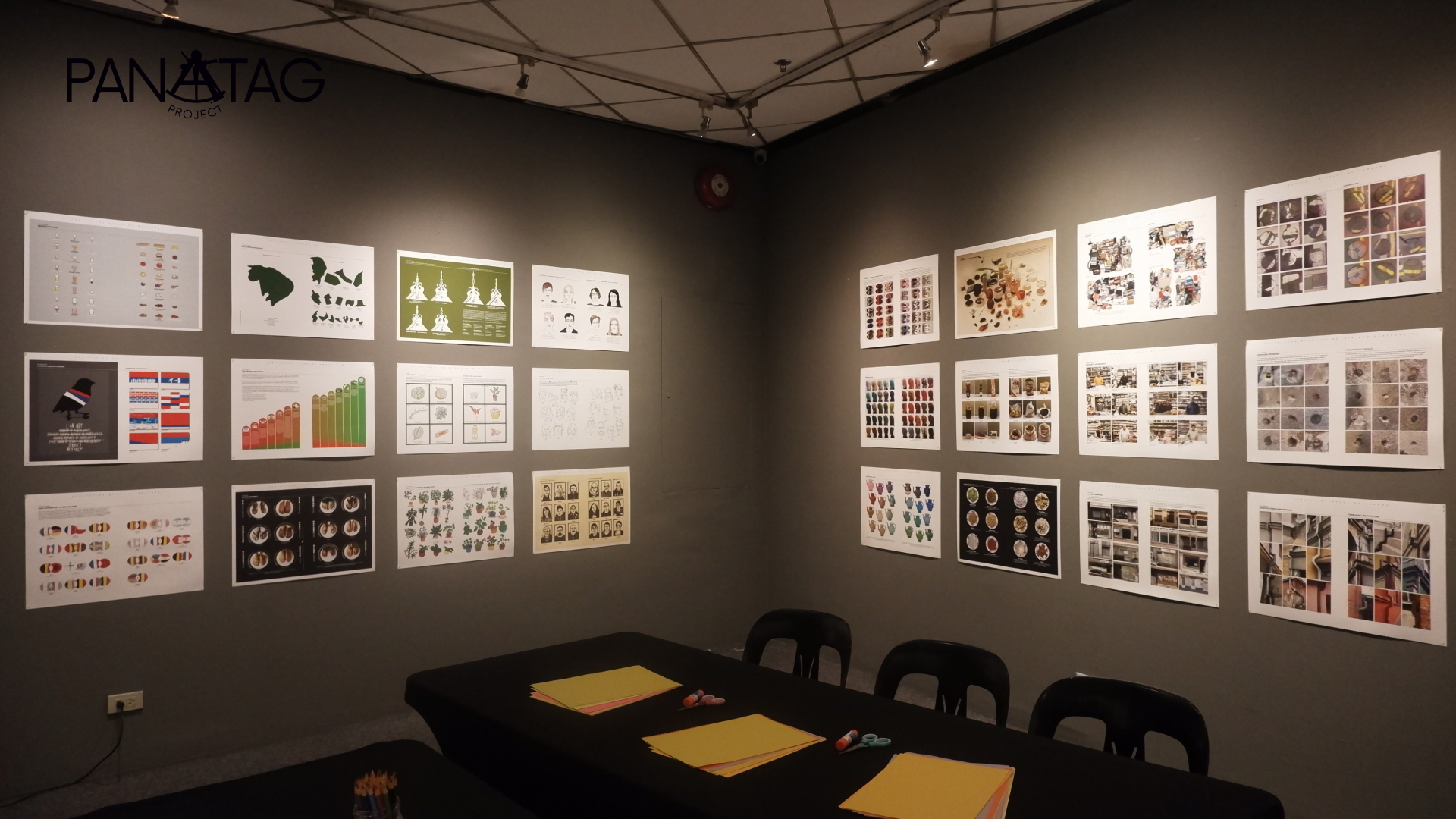
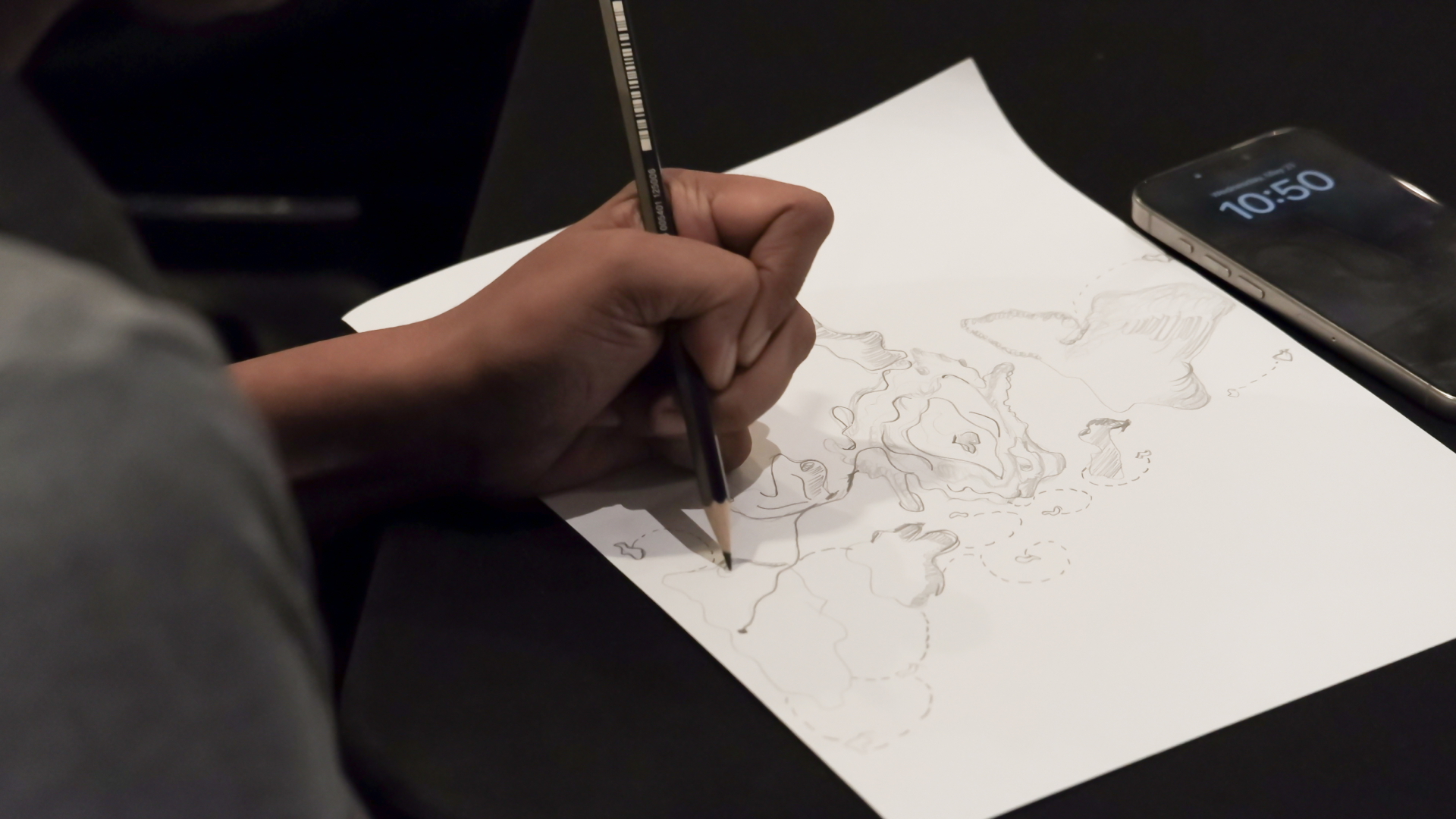
In its inaugural launch, the Philippine Women’s University-Artistic Research Center (PWU-ARC) initiated arts-based workshops to set Project PANATAG in motion, landing first in Metro Manila–the epicenter of arts, culture, and influence in the Philippines. As a community arts project, participants from PWU-Manila engaged in creative explorations through alternative flag-making and individual mapping, showing both their distinctly individual and interconnected cultural identities.
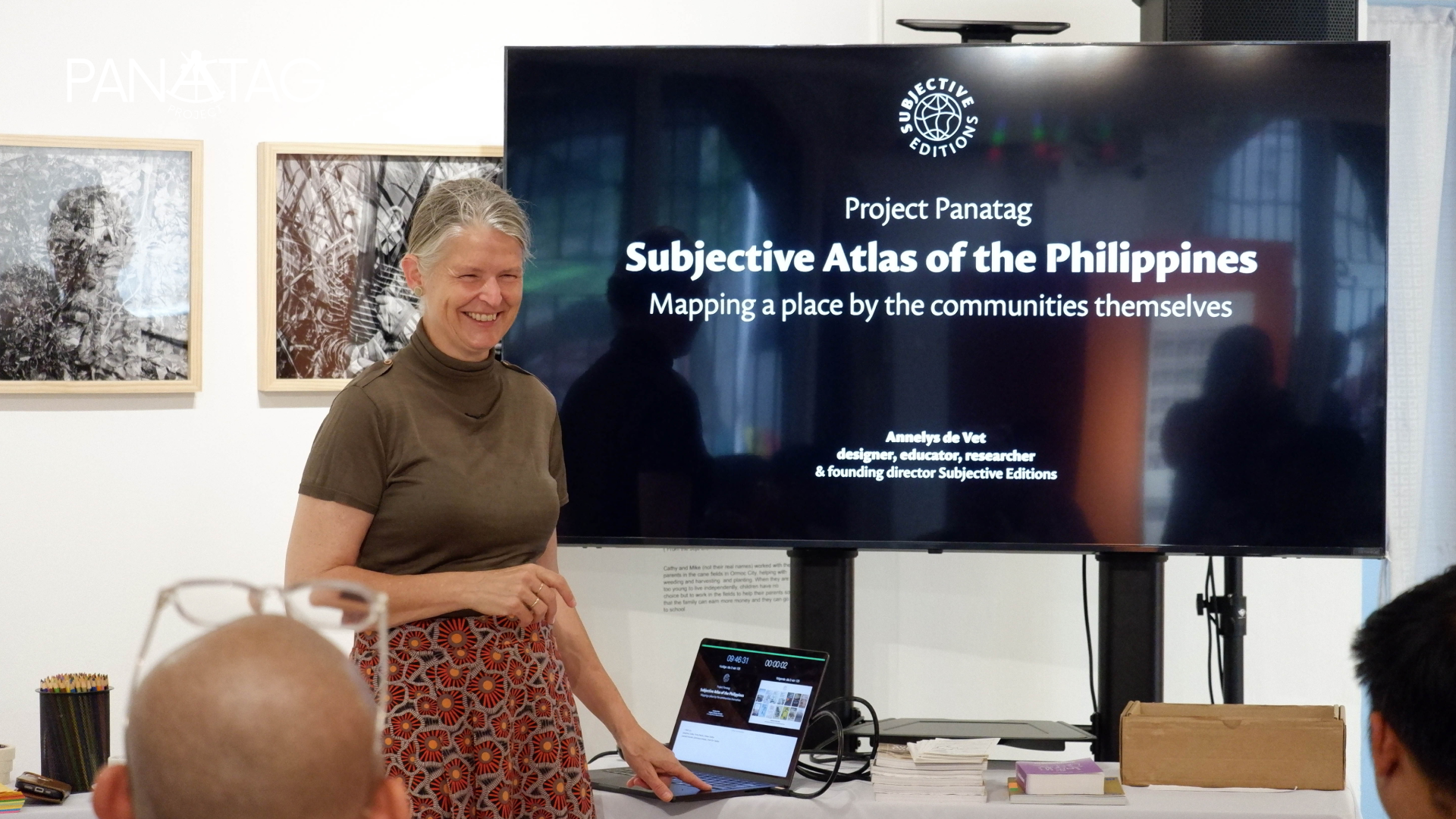
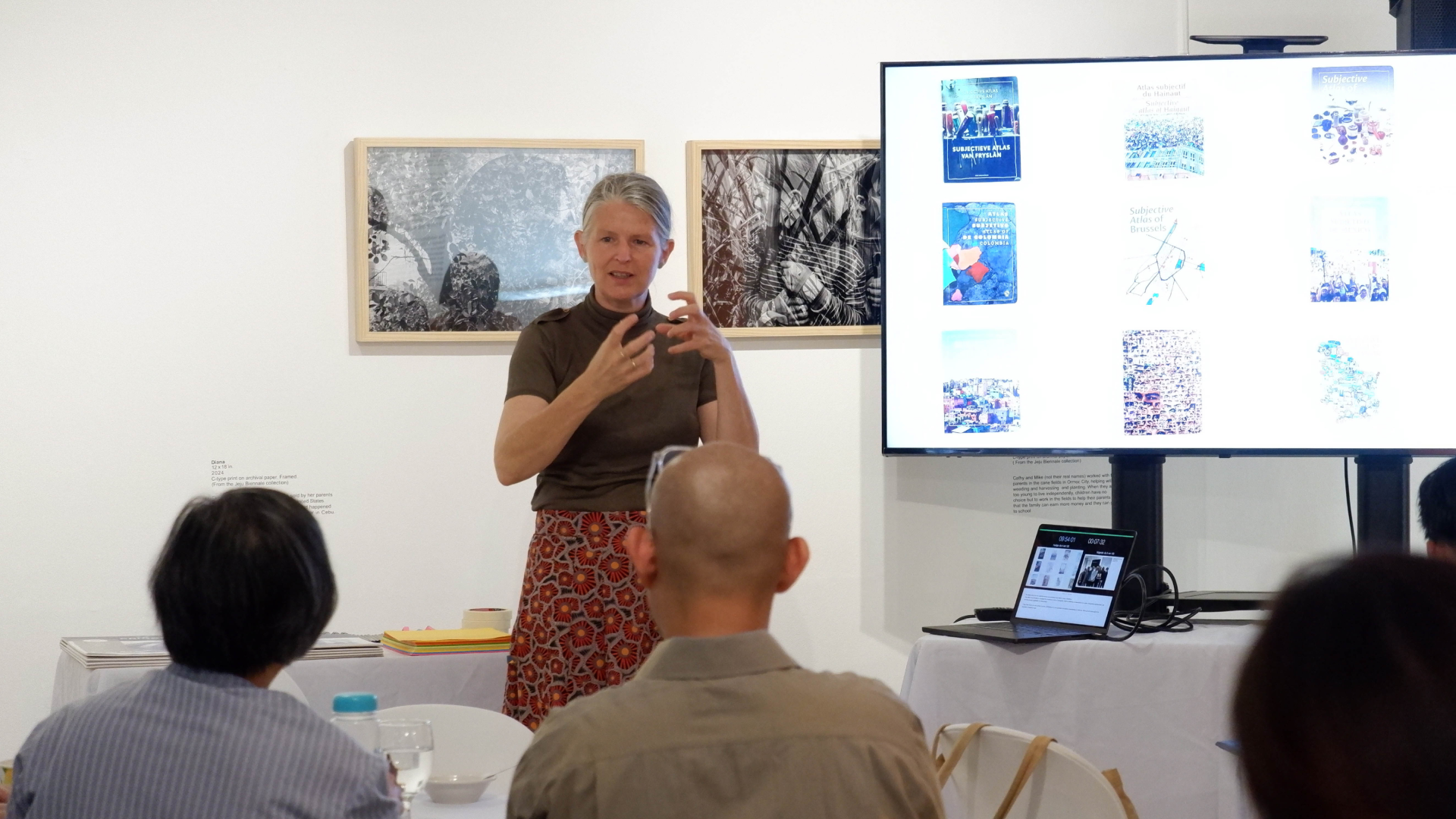
Spearheaded by Dir. Josephine Turalba and Subjective Editions Dir. Annelys de Vet, with full support from Philippine Women’s University (PWU) Manila, and in partnership with Yuchengco Museum, this artistic research journey tied meaningful correlations between location and shared culture–as well as its substantial complexities–through community engagement, stitching together a singular identity from gathered creative outputs made with intention through subjective artistic explorations by the participants.
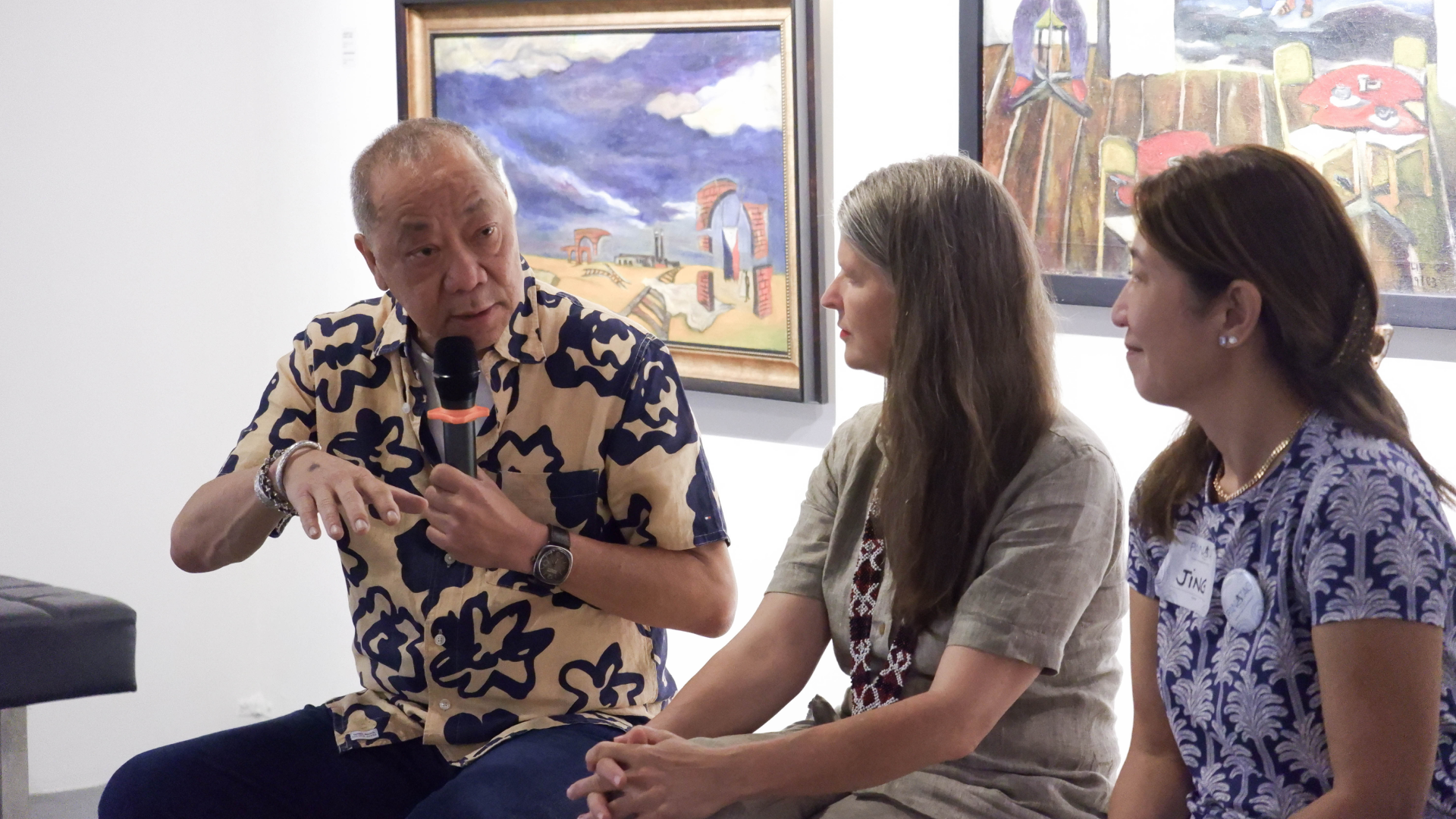
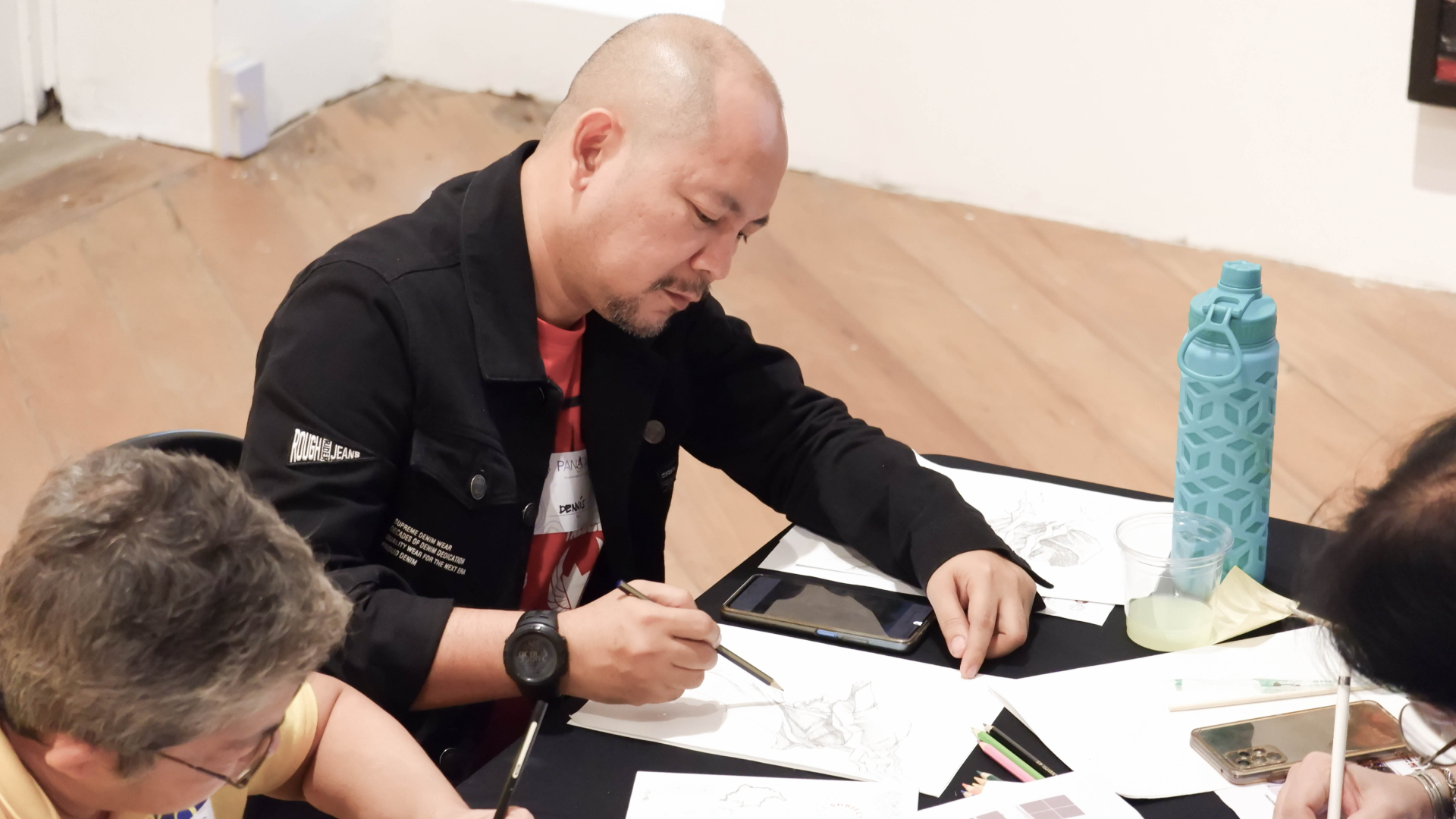
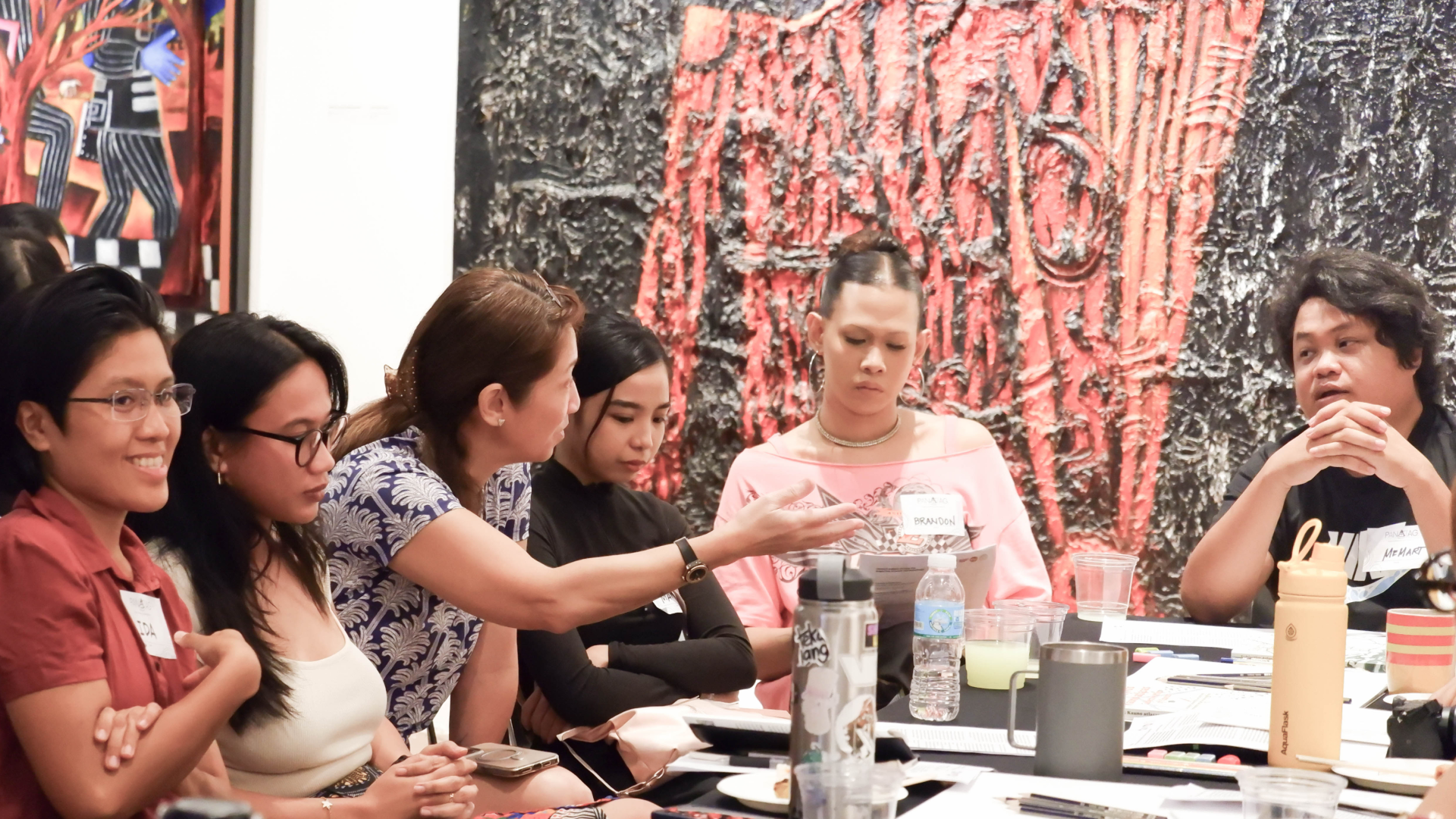
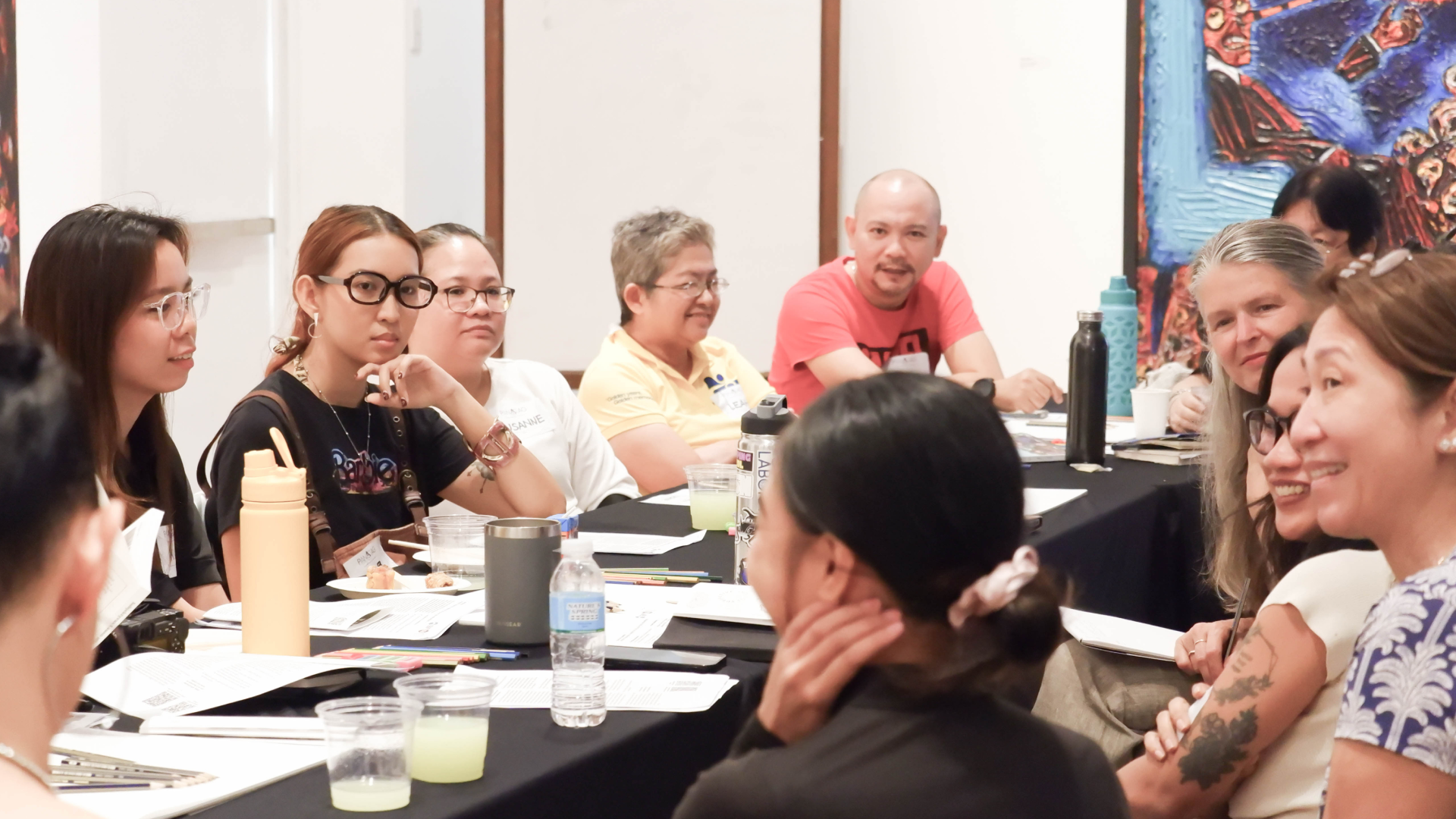
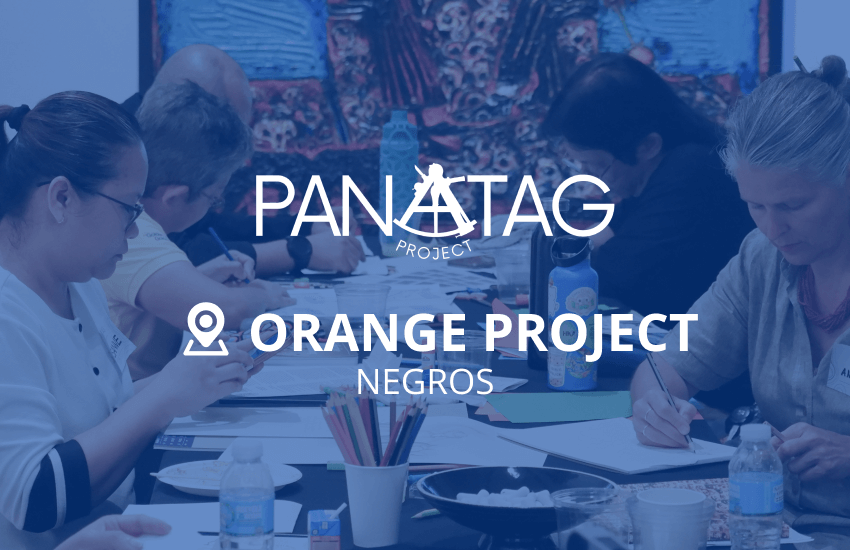
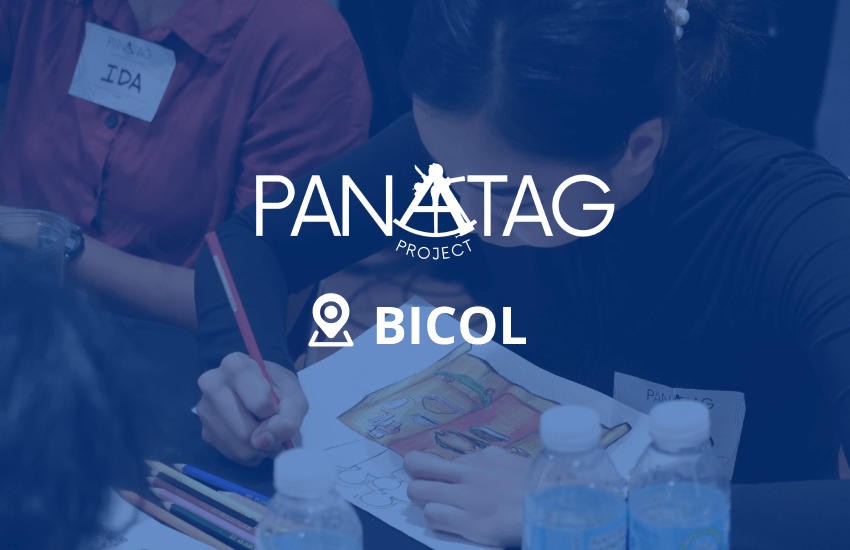
Heading towards the Visayas, Project PANATAG expanded through Negros Occidental and marked its itinerary in the city of Bacolod, a place of rich culture and heritage. The workshops were hosted by Orange Project, an established creative space located in Art District, Mandalagan, whose mission and vision essentially blend with the intention of this artistic research journey. In perfect alignment with the core goal of Orange Project–to discover and support local creative potentialities through collaboration and reflection on intertwined dynamics between the arts and socio-cultural matters–both institutions succeeded in targeting a commitment to strengthening communities and amplifying local voices.
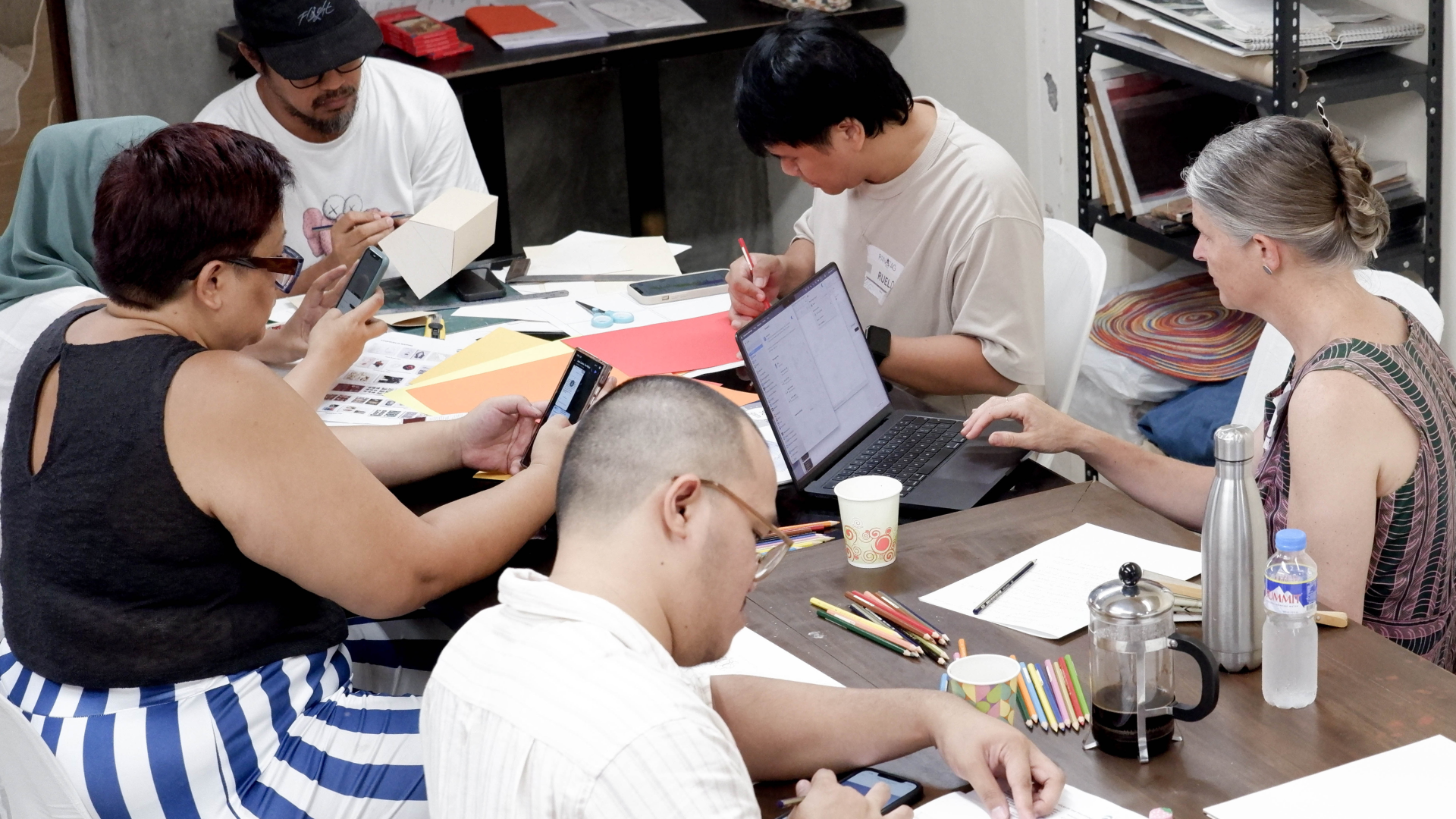
Through the support of the Victorias City local government unit, Negrense artists hailing both from the cities of Bacolod and Victorias penned their collective authorships on mapping the cartography of the Philippines; the activities included photo collages and map-making, as well as annotated routes, anchoring on shared experiences as cultural workers.
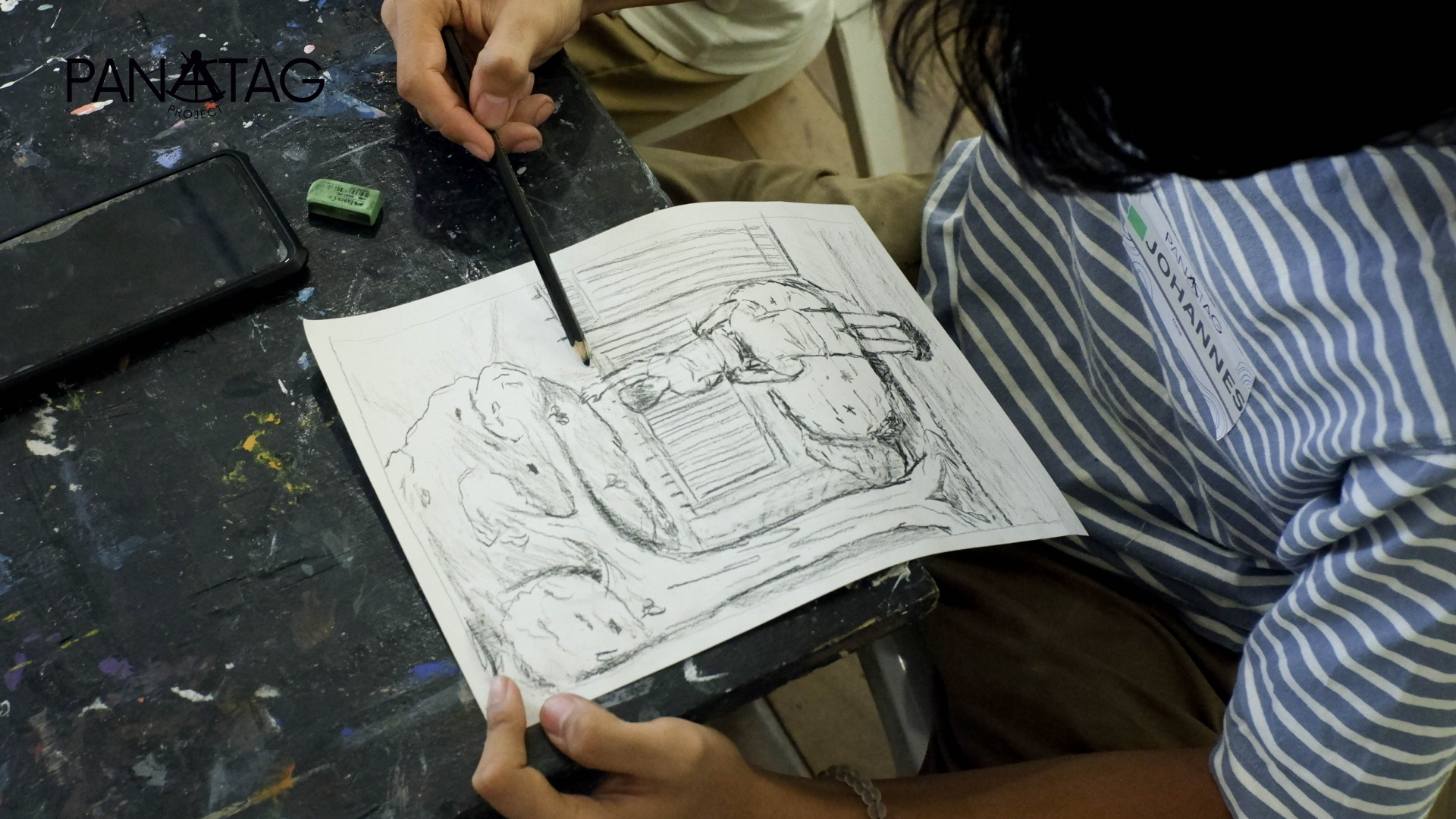
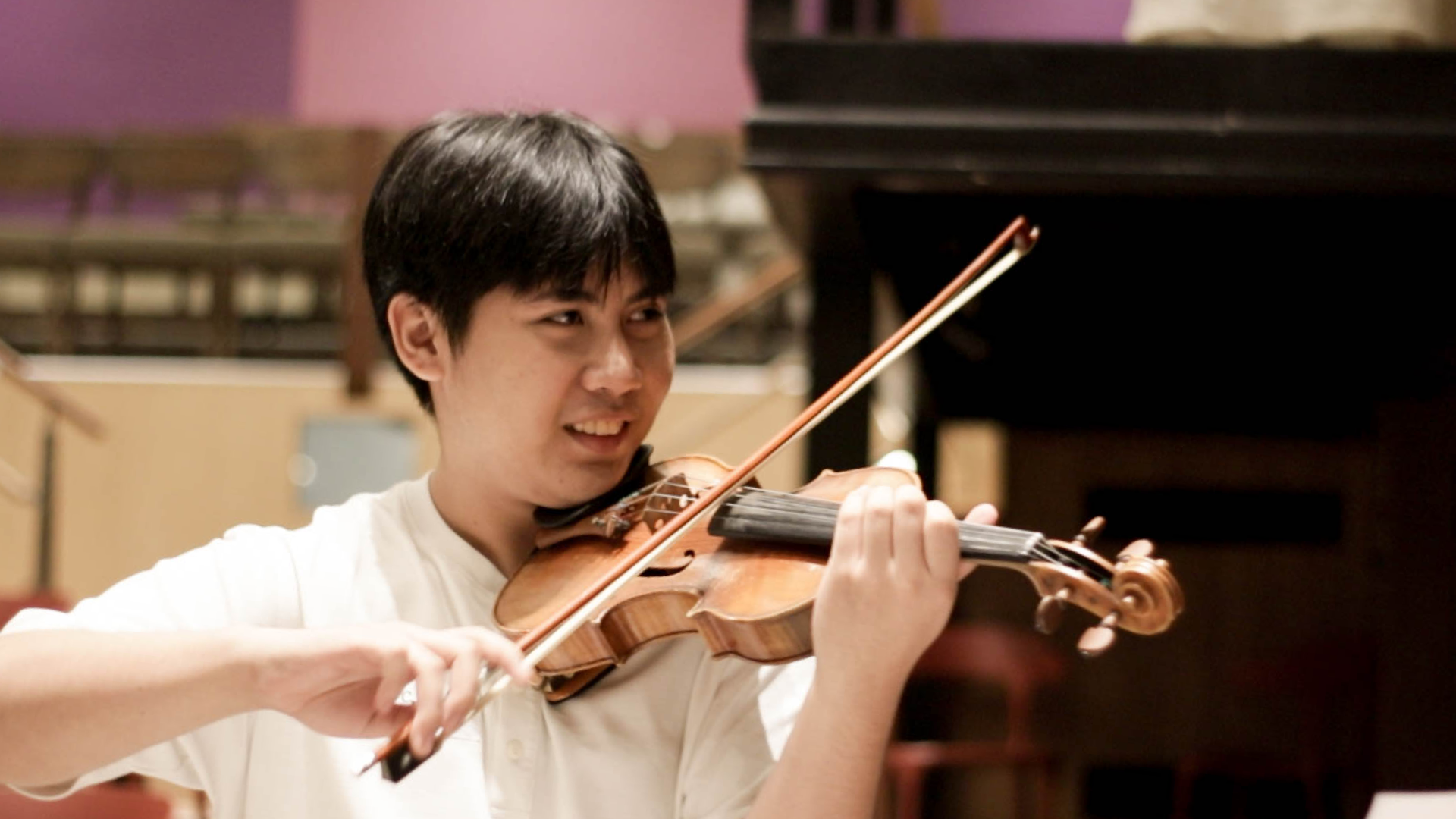
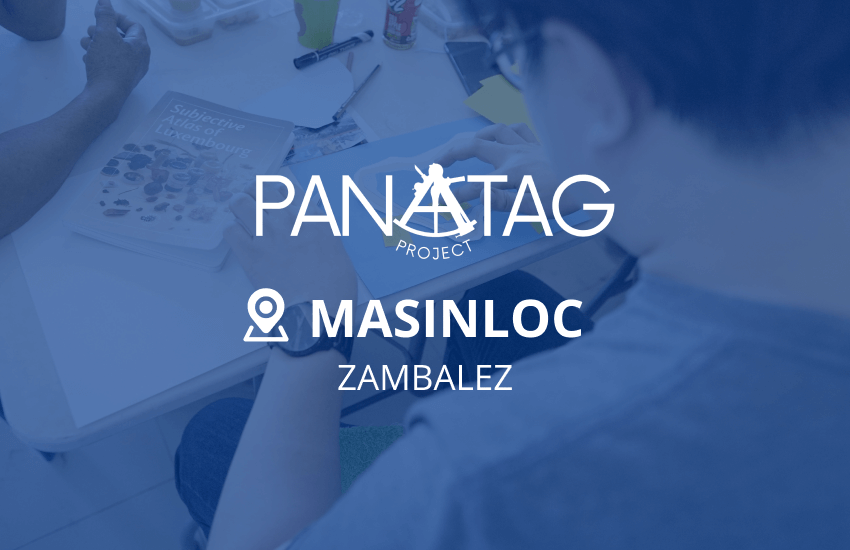
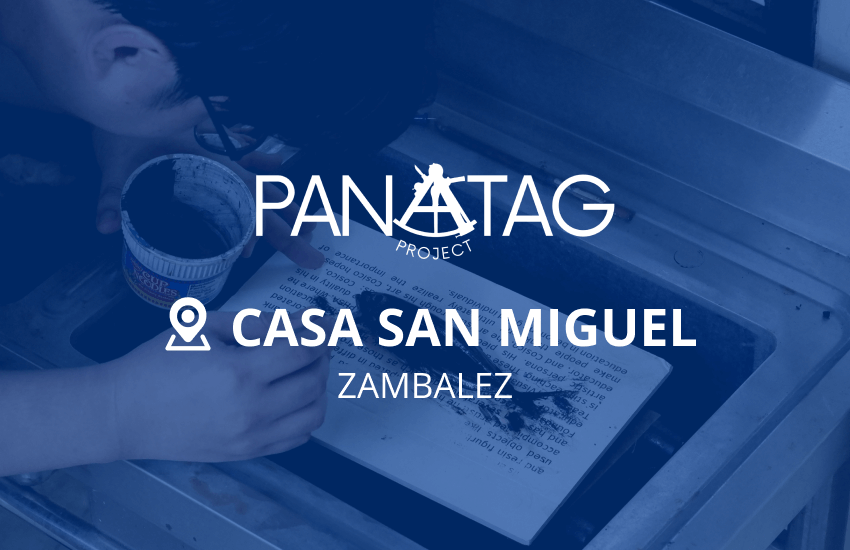
Circling next to its neighboring community, Project PANATAG partnered with Casa San Miguel to further solidify communal resilience and empowerment, through the purposeful utilization of arts-based methods that encourage healing, creative expression, and powerful dialogue that supported the emotional well-being of the people. This effectively transcended individual differences and connected one another through the recognition of their respective needs and strengths as a community. As a key partner in Zambales, Casa San Miguel’s mission to transform lives and uplift communities through the power of the arts was substantiated–direct, honest, and genuine engagement with the people became vital for grounding the core of this project. This initiative attested that a genuine and deep-rooted connection to the people is essential to real community empowerment that lasts and succeeds in piercing through ingrained social and cultural dynamics that influence daily life.
Masinloc
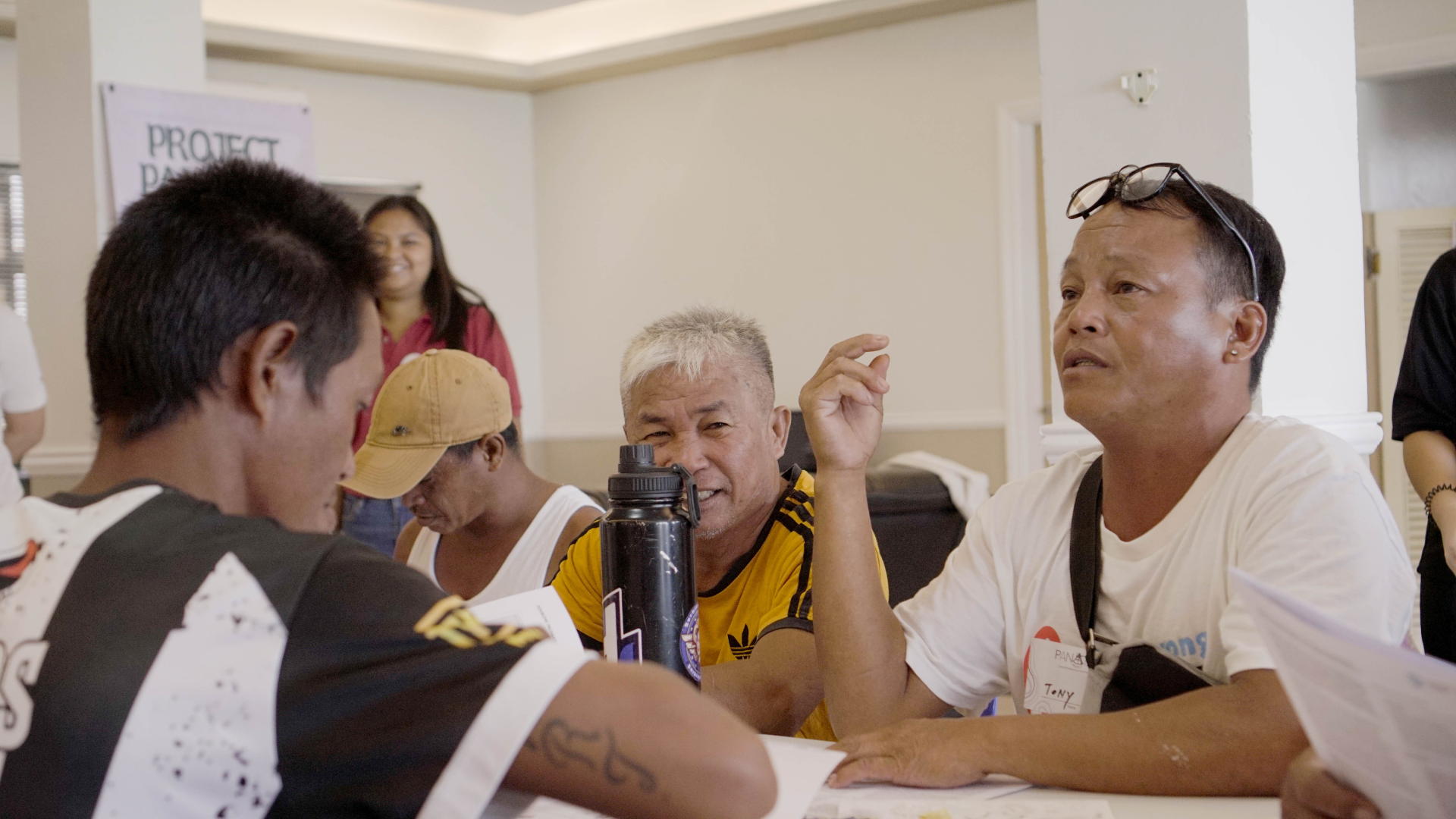
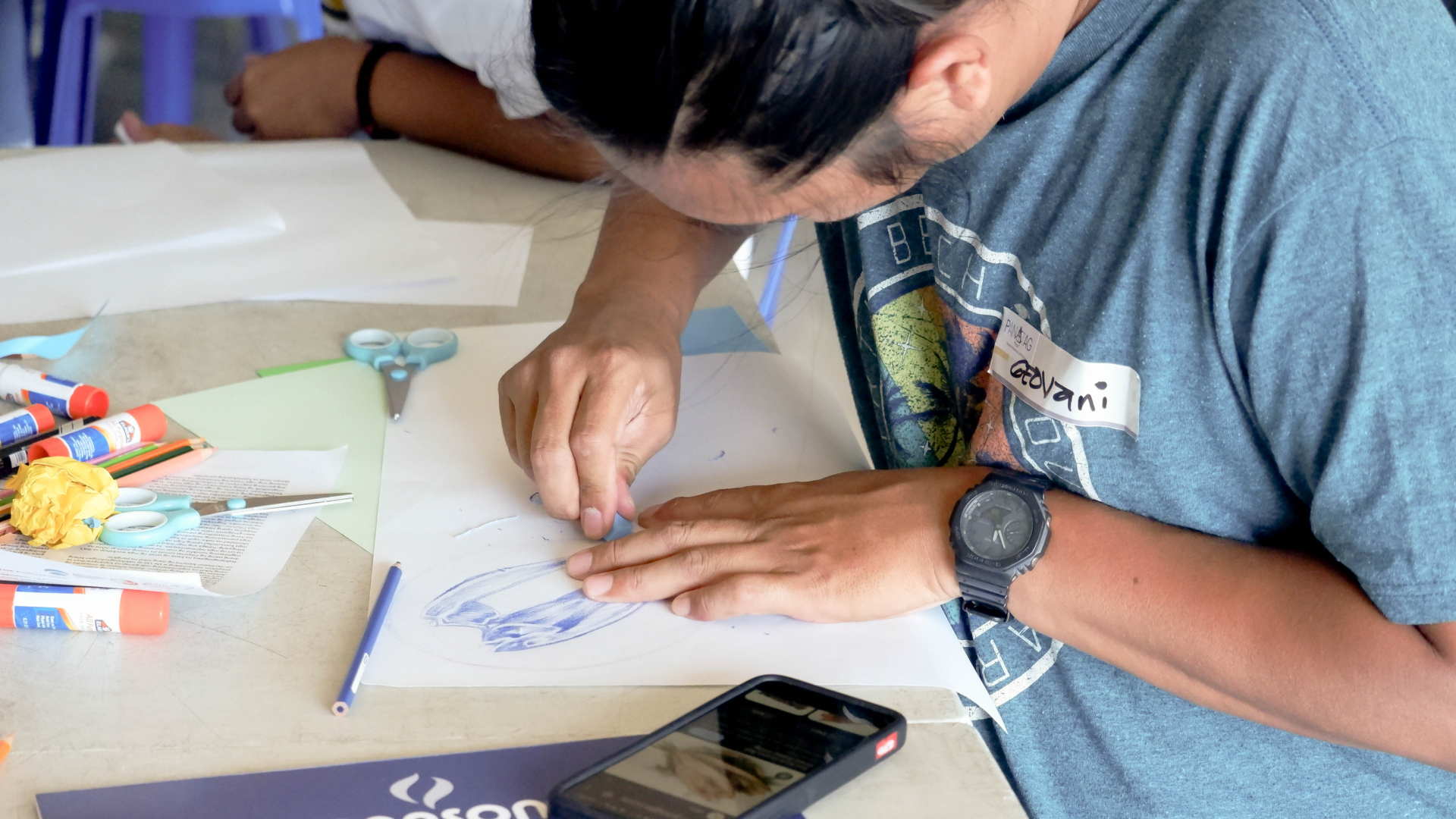
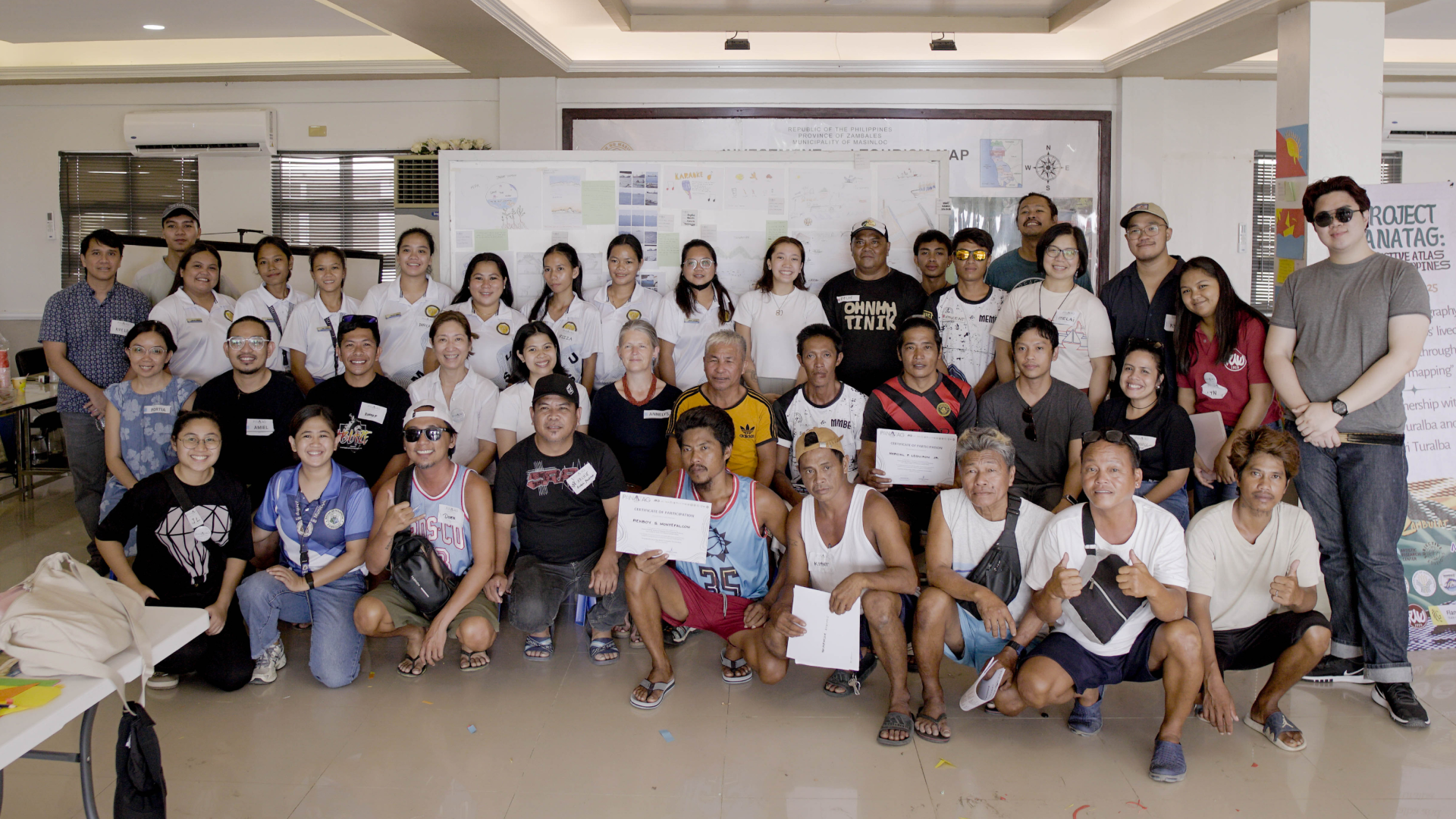
Back north from Visayas to Central Luzon, Project PANATAG sailed through the local fisherfolk of the municipality of Masinloc and established its reach to local communities. This communal arts research helped strengthen the unwavering resilience of the people through substantial dialogue, aided by the power of the arts. Through the help of the Masinloc Tourism Office and the support of the Governor’s Office, art-influenced discourse became an ever-reliable tool for healing and growth–evident in the community engagement that brought the fisherfolk of Masinloc together to author their own singular identity as a people, rooting from shared day-to-day experiences. As part of the upcoming Subjective Atlas of the Philippines (2026), this highlighted the importance of tying the people’s creative expressions from hurdles brought about by environmental and socio-economic challenges to their geography–proving that the arts can be a great reflector of determining one’s identity.
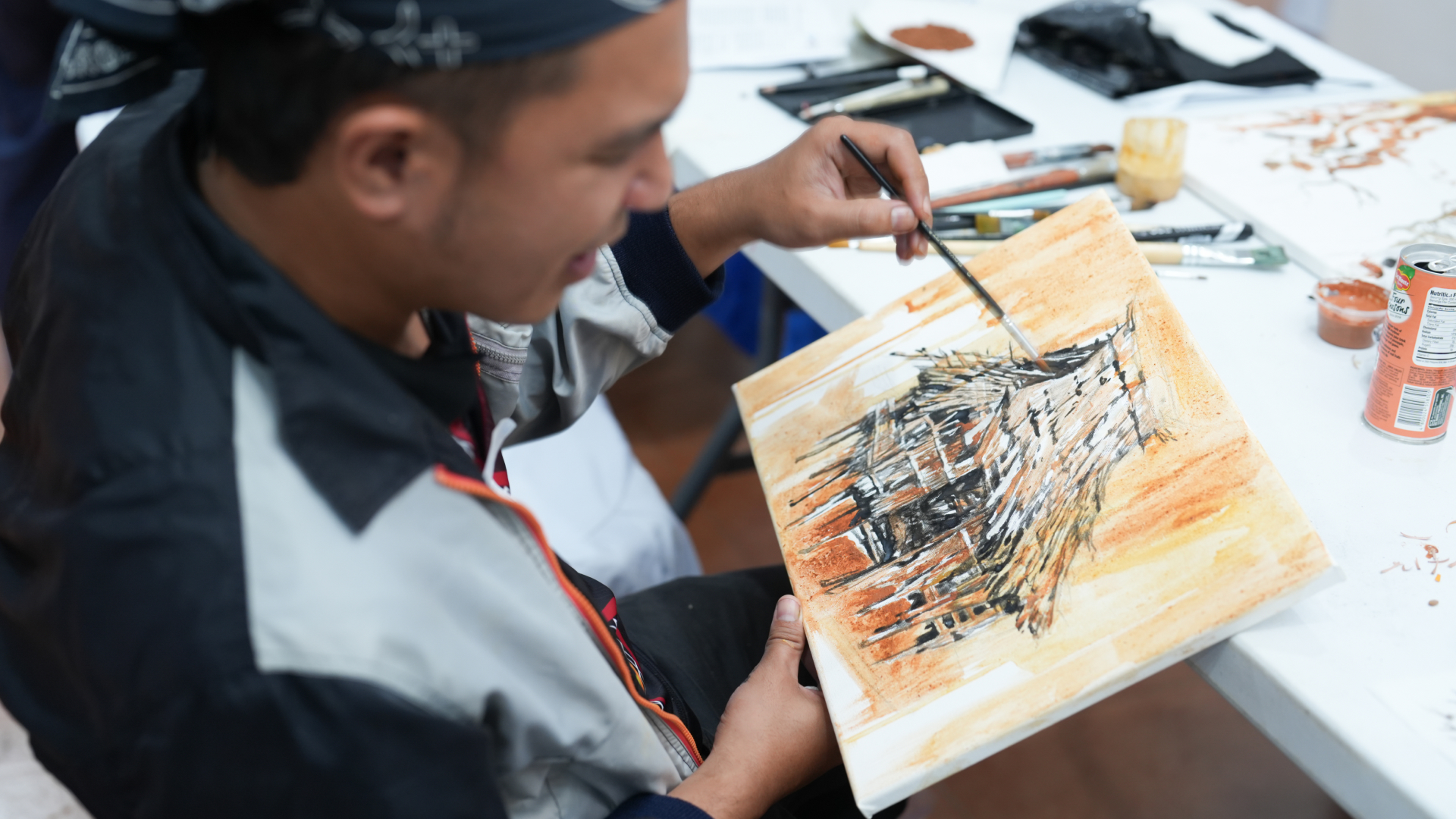
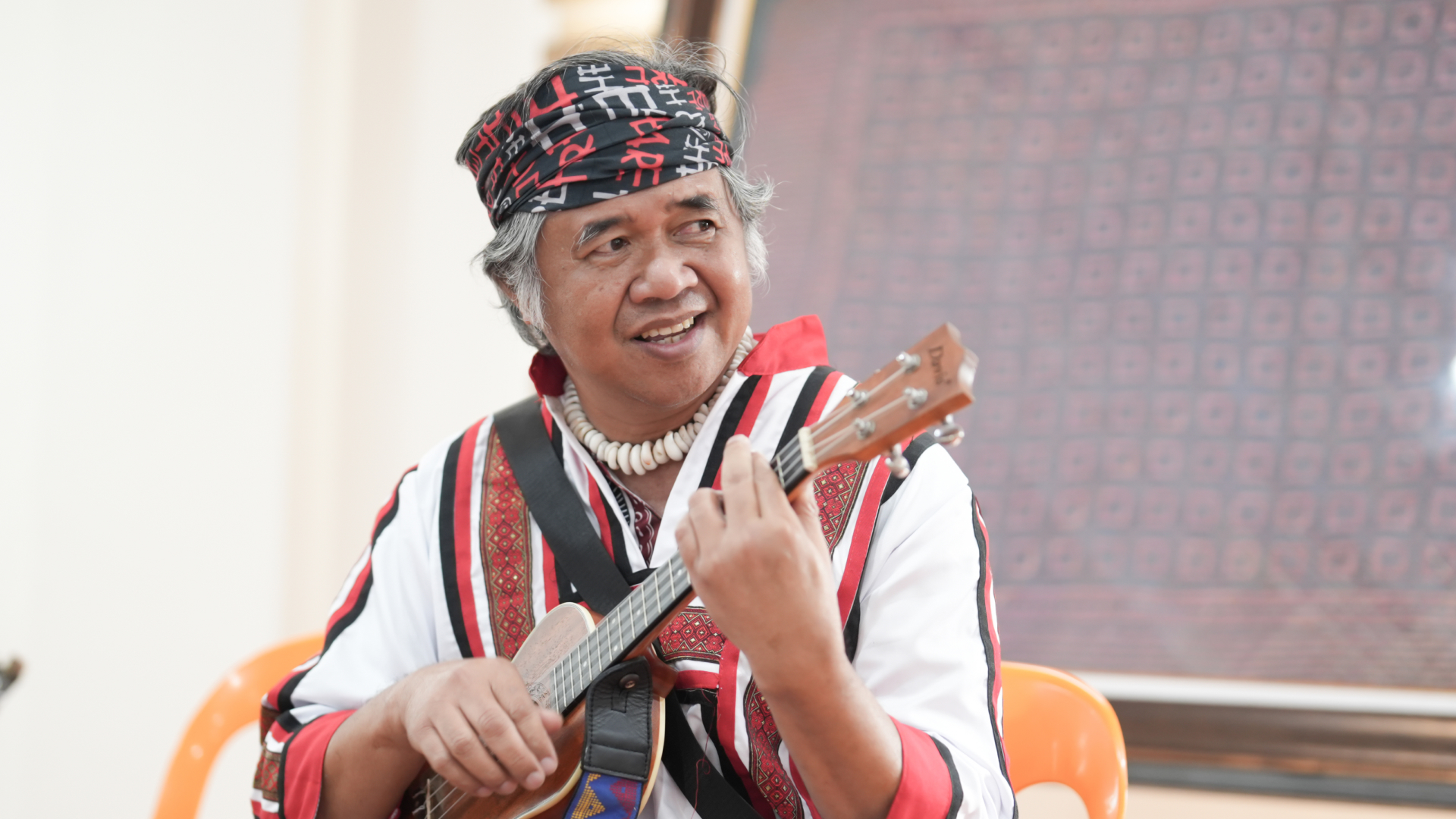
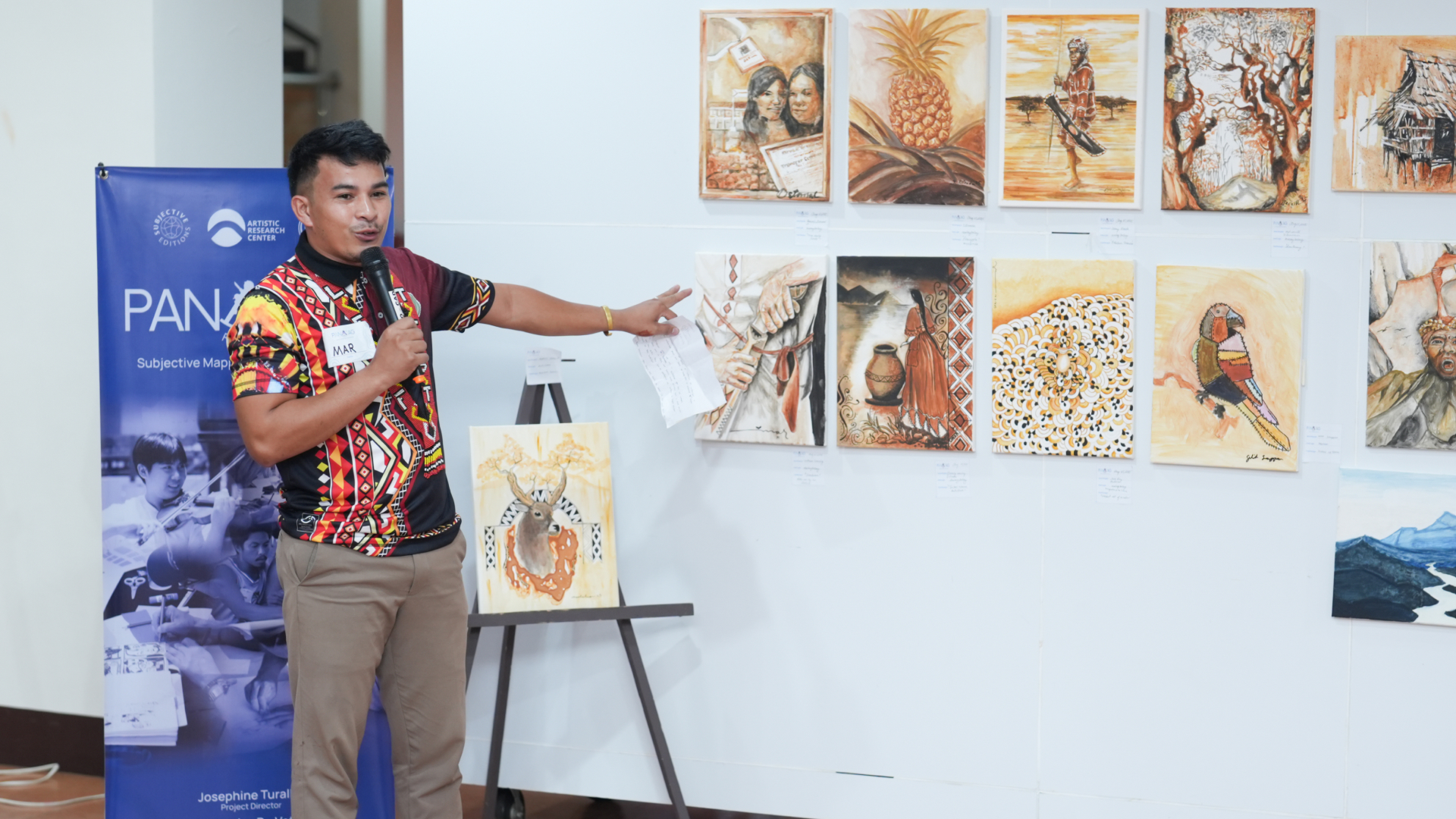
From its most recent leg, Project PANATAG ventured through Northern Mindanao and landed in Malaybalay. Prior to the artistic workshop, BULAK (Bukidnon Lokal Artists Kulektib) President Datu Waway Saway welcomed the participants, including the 18 Lumad artists he gathered from Talaandig and Manobo Tribes with a lively session, then shared personal stories from his childhood. His sister followed with a performance of the traditional Talaandig Hawk Dance, encapsulating Indigenous resilience. Unique and corresponding to their region, the creative activities were carried out using natural materials, particularly soil, in addition to other conventional mediums such as acrylics, pastels, pen, pencil, and collage-making.
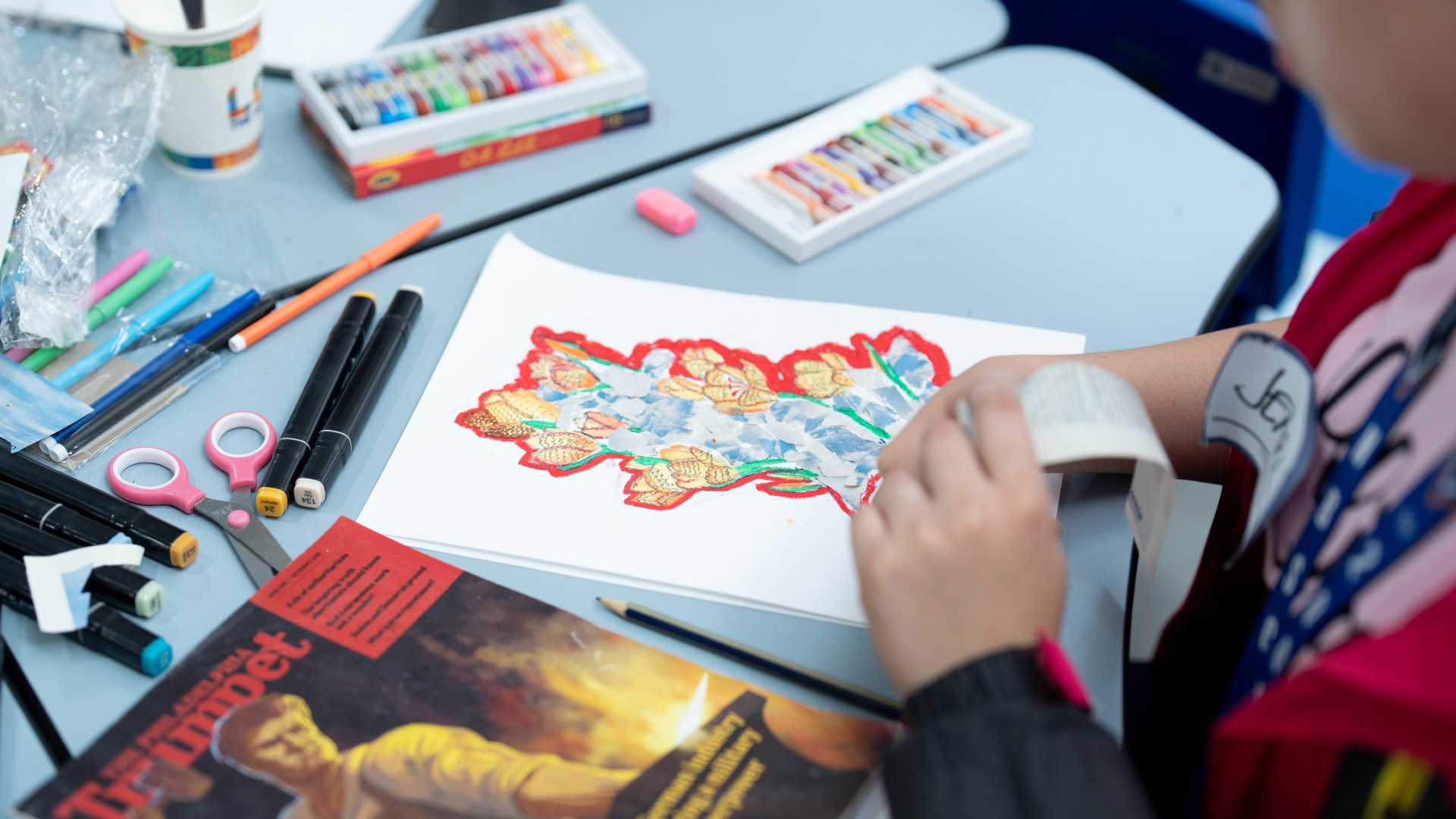
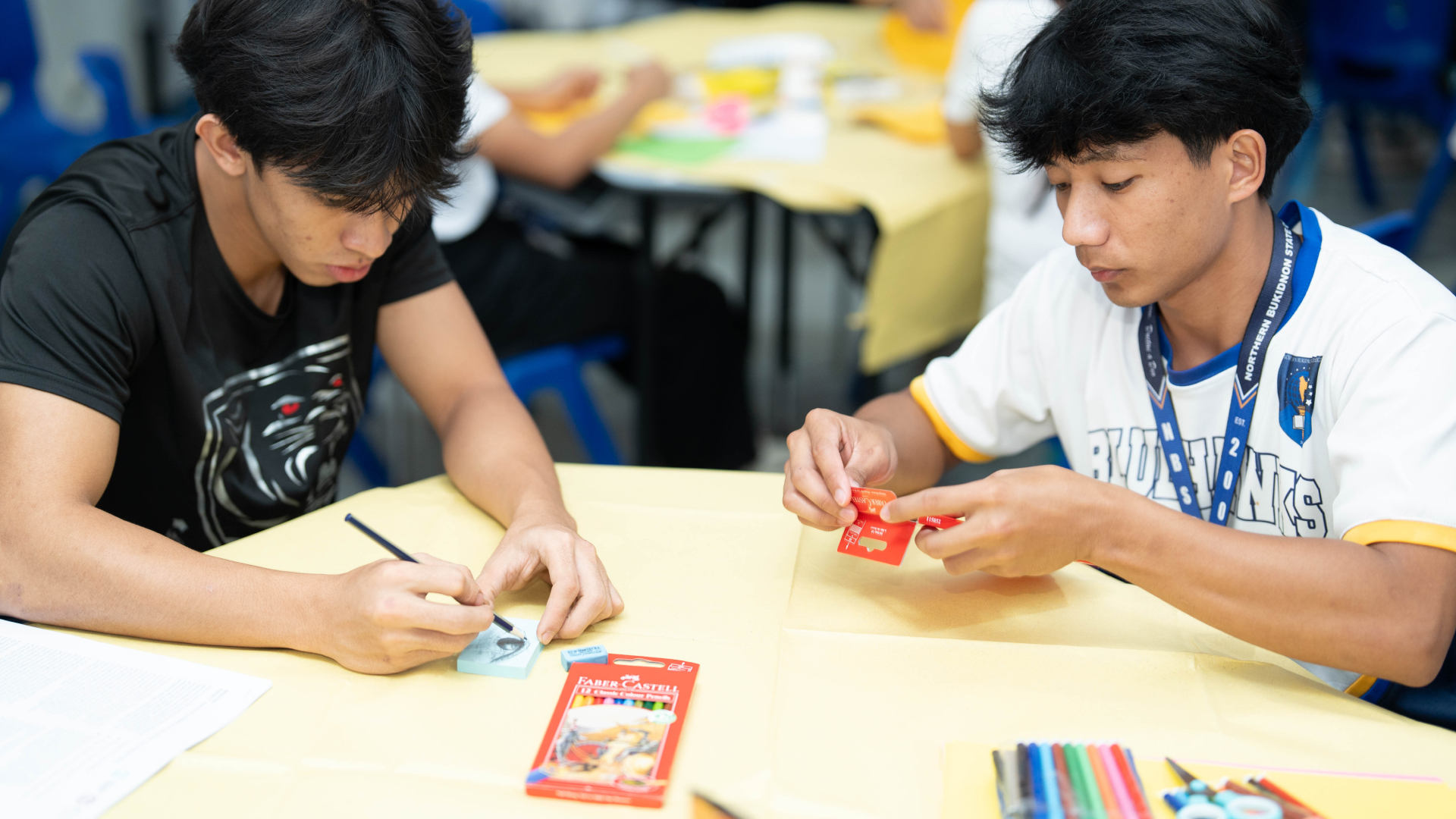
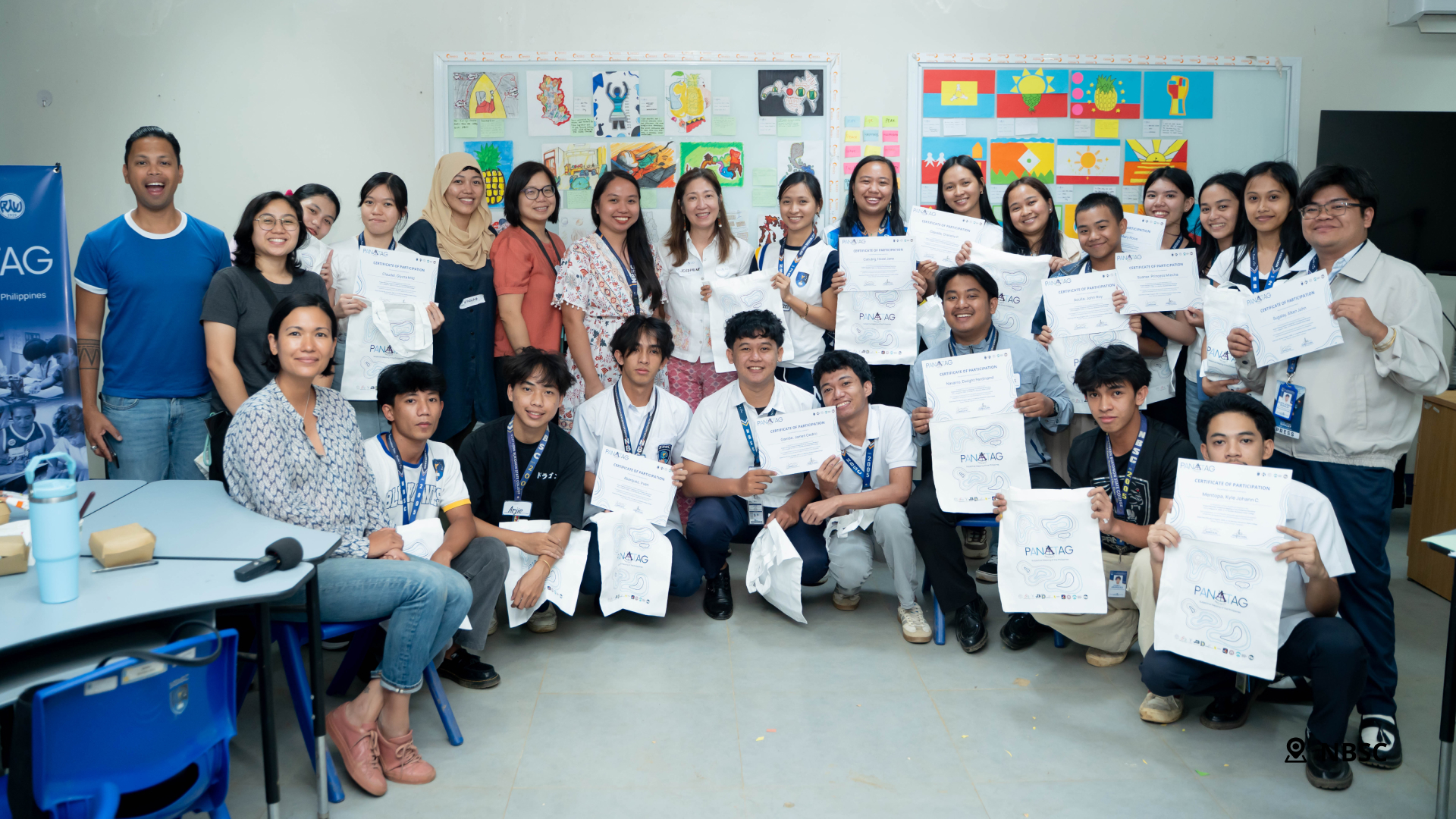
In Northern Bukidnon State College (NBSC), PWU-ARC with guest facilitator Louie Talents initiated its arts-based interventions to participating students. As an important milestone for both institutions–reaching more local communities and strengthening partnerships to highlight regional identities were essential to ground the authenticity of this research initiative. With emphasis on community-based inquiry, the students were encouraged to not only share but fully embrace their most unique perspectives, as these were the very core of the project.